Asphalt Patching & Pothole Repairs in Kansas & KCMO
Kansas Asphalt provides trusted asphalt patching and pothole repairs for commercial and municipal properties throughout Kansas City and the Midwest.
How Do You Repair Potholes?
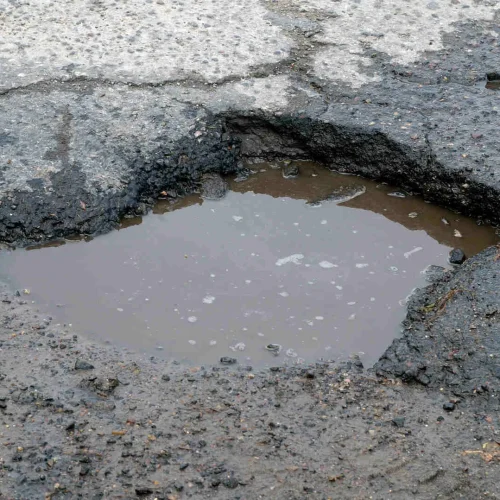
Potholes not only create a bad first impression for your customers and guests. They also pose safety hazards to vehicles and other equipment, causing up to thousands of dollars in property damage.
If you’re looking for a quick, temporary fix, we’ll apply a cold patch or hot-mix asphalt to the potholes on your property. But if you want a more permanent solution, we recommend infrared asphalt patching. Let’s chat to determine which option is right for you.
Patching & Pothole Repair Process
Prepare the Surface
Apply the Patch
Compact the Material
Benefits of Patching & Repairing Potholes
- Improved Road Conditions
- Minimized Driving Risks
- Extending Longevity
- Enhanced Aesthetics
- Preserved Structural Integrity
- Improved Driving Experience
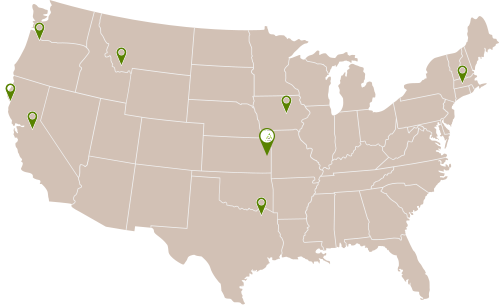
Our Service Areas
Your National Paving Solutions Provider
Kansas Asphalt supports customers of all sizes, types, and needs from our headquarters in the Midwest and our nationwide network of field operations.
National Headquarters
- 7000 West 206th Street Bucyrus, KS 66013
- Kansas City
- Overland Park
- Olathe
- Topeka
- Shawnee
- Leavenworth
- Lawrence
- Merriam
- Roeland Park
Self- Performing Locations
Field Office Locations
Patching & Pothole FAQs
What causes potholes in asphalt?
Potholes form when water seeps into cracks, weakens the base, and traffic breaks apart the surface. Freeze thaw cycles and heavy vehicle traffic accelerate the damage.
Is asphalt patching a permanent fix?
Potholes form when water seeps into cracks, weakens the base, and traffic breaks apart the surface. Freeze thaw cycles and heavy vehicle traffic accelerate the damage.
How quickly can potholes be repaired?
Most pothole repairs can be completed quickly, minimizing disruption to traffic and business operations
When should I repair a pothole?
Potholes should be repaired as soon as they appear to prevent further pavement deterioration, liability risks, and more costly structural damage.