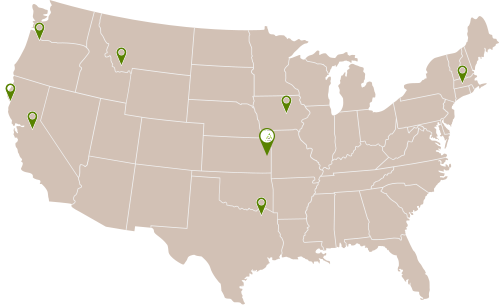
Kansas Asphalt protects and restores asphalt driveways, parking lots, and commercial paving projects with professional sealcoating services throughout Kansas and Missouri.
Protect Your Pavement With Commercial Asphalt Sealcoating
Daily traffic, harsh weather, oil drips, and constant exposure to the sun all take a toll on your pavement. Asphalt sealcoating is one of the best ways to protect your paved surfaces, keeping your parking lots and drive lanes looking and functioning their best for years to come.
Kansas Asphalt provides professional asphalt sealcoating services for commercial properties in Kansas. Let’s safeguard your investment together; get started with a sealcoating estimate.
Asphalt sealcoating is a protective surface treatment for existing asphalt pavement. It acts as a barrier that helps shield the surface from environmental and chemical damage, protecting asphalt from things like oxidation, oil spills, and surface wear.
Sealcoating is a key component of pavement maintenance for commercial properties. It does not repair structural issues or base failures, but when applied at the right time, it helps slow deterioration and supports long-term pavement preservation.
How Often Is Sealcoating Required?
The frequency with which a sealcoat layer should be applied to an asphalt surface depends on the following factors:
The pavement’s age and condition: Aging and worn pavements require more frequent sealcoating.
How often the pavement is used: Pavements that are used more frequently will need to be sealcoated more often.
Local climate and weather conditions: Harsh weather conditions wear down the pavement faster, necessitating more frequent sealcoating.
Timing matters when it comes to sealcoating. For instance, sealcoating too early or waiting too long can reduce its effectiveness. Commercial properties benefit most when sealcoating is included in a planned maintenance schedule rather than as a last-minute fix.
New Asphalt Timing (First Sealcoat at 12-24 Months)
For newly installed asphalt, the first sealcoating application is typically recommended 12–24 months after installation. This allows the asphalt to properly cure while still receiving protection early in its lifecycle.
Sealcoating new asphalt too soon can trap oils and prevent proper curing, while waiting too long leaves the surface exposed to early oxidation and wear.
Routine Maintenance (Every 2-4 Years)
Most commercial parking lots and paved surfaces benefit from sealcoating every 2–4 years, depending on traffic levels, exposure, and surface condition. Busy areas may require more frequent maintenance to maintain consistent protection.
After Crack Sealing or Repairs
Sealcoating is often performed after crack sealing or minor asphalt repairs are completed. This approach helps create a uniform surface appearance and protects the pavement once repairs are in place.
Our Sealcoating Process
Pavement Inspection and Condition Assessment
Every project starts with a site evaluation. We assess surface condition, existing cracks, drainage concerns, and traffic patterns to determine whether sealcoating is appropriate and what preparation is required. This step ensures sealcoating is used as a protective solution, not a temporary fix.
Cleaning and Debris Removal
Before sealcoating, the asphalt surface must be clean and dry. This includes clearing vegetation, sweeping debris, and addressing oil-stained areas as needed. Proper cleaning allows the sealcoat material to bond correctly to the asphalt surface.
Crack Sealing and Repairs
Cracks are addressed before sealcoating begins. Crack sealing helps prevent water intrusion and supports the effectiveness of the sealcoating application. If deeper issues are uncovered, we may recommend additional asphalt repairs before proceeding.
Asphalt repairs or milling and resurfacing may be recommended instead of sealcoating alone for surfaces requiring more extensive rehabilitation.
Professional Sealcoat Application
Once preparation is complete, sealcoat is installed using professional equipment and commercial-grade materials. Application methods are selected based on surface size, layout, and condition for consistent coverage and performance.
Sealcoating enhances surface protection while restoring a clean, uniform appearance across the pavement.
Pavement Marking and Striping (Optional)
After sealcoating has cured, pavement markings and striping can be reapplied as needed. Fresh striping improves traffic flow, safety, and overall organization for parking areas and access lanes.
Asphalt sealcoating is one part of a broader commercial pavement maintenance strategy, and understanding how it compares to other services helps property owners make informed service decisions.Asphalt sealcoating is one part of a broader commercial pavement maintenance strategy, and understanding how it compares to other services helps property owners make informed service decisions.
Service
Purpose
When It’s Used
Cost Indicator
Sealcoating
Protects surface
Every 2–4 years
Low
Crack Sealing
Prevents water intrusion
As cracks appear
Moderate
Patching
Fixes localized failure
needed
Variable
Resurfacing
Rebuilds surface layer
When pavement is aging or deteriorated
Higher
Asphalt sealcoating works best on structurally sound asphalt in need of surface protection. When cracking, potholes, or base issues are present, additional services may be required. In some cases, more comprehensive solutions such as resurfacing provide better long-term results.
Cost Factors for Sealcoating
Sealcoating costs can vary based on several site-specific factors. Because every pavement surface is different, pricing is typically determined after an on-site evaluation.
Key factors that influence asphalt coating cost include:
Total square footage of the pavement area
Overall surface condition and level of wear
Number of sealcoat applications recommended
Extent of crack repair or surface preparation required
Site accessibility and traffic control needs
Cleaning, sweeping, and edge preparation requirements
Asphalt sealcoating is generally considered a cost-effective option within commercial pavement maintenance, especially when compared to major repair or resurfacing work.
Choosing the right sealcoating provider matters. Proper materials, preparation, and scheduling all impact how well sealcoating performs over time. Kansas Asphalt focuses on delivering reliable results for commercial properties that need consistent pavement maintenance without surprises.
Commercial clients choose Kansas Asphalt because of our:
Sealcoating is a surface protection treatment designed to preserve existing asphalt. Resurfacing involves installing a new asphalt surface over an existing pavement. Sealcoating is used for ongoing maintenance, while resurfacing is typically recommended when asphalt shows wear.
On most commercial properties, sealcoating lasts between two and four years. Longevity depends on traffic volume, surface condition, and exposure to weather. Routine inspections help determine the best reapplication schedule.
No. Sealcoating does not fill or repair cracks. Cracks should be filled prior to sealcoating to help prevent water intrusion. Sealcoating is a protective measure, not a repair solution.
Most sealcoated surfaces can reopen to traffic after proper curing, which is typically within 24 to 48 hours. Timing can vary based on weather conditions, site layout, and traffic requirements.
Most commercial parking lots benefit from sealcoating every two to four years. High-traffic properties may require more frequent maintenance to maintain surface protection and appearance.
Sealcoating requires appropriate temperature and weather conditions to cure properly. Cooler temperatures and moisture can limit application windows, so we recommend scheduling spring through fall when conditions are suitable.
Asphalt sealcoating costs vary based on square footage, surface condition, preparation needs, and project complexity. An on-site evaluation enables accurate pricing and service recommendations.
From initial evaluation to final application, we focus on clear communication and dependable results. Learn more about our commercial sealcoating services or chat with our team to get started.From initial evaluation to final application, we focus on clear communication and dependable results. Learn more about our commercial sealcoating services or chat with our team to get started.