Kansas’ seasonal temperature changes, moisture, and heavy commercial traffic all affect asphalt lifespan. However, quality construction, proper drainage, and routine maintenance can slow pavement deterioration.
Our team at Kansas Asphalt provides expert asphalt paving and maintenance to keep commercial properties safe and durable. This guide explains what causes asphalt deterioration, which warning signs to watch for, and how to extend pavement lifespan.
How Long Does Asphalt Actually Last?
How long does asphalt last? Asphalt life expectancy depends on pavement design, installation, drainage, traffic, weather, and maintenance.
The surface may need resurfacing before the pavement below it needs reconstruction. One crack or pothole does not mean the entire pavement has reached the end of its life. Recurring damage, weak supporting layers, and widespread cracking are stronger signs of deeper problems.
Conditions also vary across a property. A well-drained parking area may wear more slowly than a loading lane with daily truck traffic. Regular asphalt parking lot maintenance makes it easier to spot problems early and plan the right repairs.
How Weather Accelerates Asphalt Deterioration
Kansas City weather also affects pavement lifespan. Temperature changes put stress on pavement, while sunlight and oxygen slowly age the asphalt binder. Water may cause more serious problems when it reaches the materials below the surface.
These conditions can also weaken pavement and worsen traffic-related damage.
Common weather-related damage includes:
- Freeze-thaw cycles and surface cracking: Asphalt contracts as temperatures fall. Water that enters cracks may also freeze and expand, contributing to freeze-thaw asphalt damage.
- UV exposure and summer heat: Sunlight and oxygen age asphalt binder and reduce flexibility over time. Hot pavement under heavy traffic may also develop rutting and other asphalt heat damage.
- Moisture and poor drainage: Water that reaches the materials below the asphalt may weaken pavement support. Standing water, settlement, and recurring water damage to asphalt may signal drainage or structural problems.
How Traffic Load Shortens Pavement Lifespan
Commercial properties face added vehicle weight, traffic volume, and repeated travel over the same areas. This can lead to any of the following issues that shorten asphalt lifespan.
- Rutting under repeated traffic loads: Asphalt rutting forms depressions along wheel paths and may develop in the asphalt or supporting layers. Ruts may also collect water and create drainage problems.
- Alligator cracking and structural distress: Alligator cracking is a connected crack pattern linked to repeated loading and weak pavement support. Filling these cracks does not fix the underlying problem. Widespread fatigue cracking may require broader reconstruction.
- Pavement thickness and base design: Asphalt thickness, soil, drainage, supporting materials, and vehicle loads all affect performance. Kansas Asphalt offers top-notch asphalt engineering services tailored to current and future traffic needs.
Warning Signs Your Asphalt Lifespan Is Running Out
Pavement damage doesn’t always mean the entire surface needs replacement. The type, location, and amount of damage provide important clues about what the pavement needs.
Regular inspections make it easier to spot changes and determine when routine maintenance is no longer enough.
Signs That May Be Addressed With Maintenance
Routine maintenance can address small or isolated cracks and early surface wear when the pavement remains in good overall condition.
Watch for:
- Isolated cracks
- Early surface wear
- Loose surface material
- Small areas of damage that are getting larger
The right treatment depends on the type of damage and the condition of the surrounding pavement.
Signs That Need a Deeper Pavement Assessment
Some pavement problems point to damage below the surface. These conditions require a closer look before selecting a repair.
Watch for:
- Alligator cracking
- Recurring potholes
- Settlement or sinking areas
- Deep wheel-path ruts
- Repairs that repeatedly fail
Document where the damage occurs, how water drains around it, and what types of vehicles use the area. A pavement assessment can determine whether the problem affects one section or a larger part of the property.
How to Extend Asphalt Lifespan
Regular maintenance, proper drainage, and timely repairs can extend asphalt’s useful life. The right maintenance plan depends on the pavement’s current condition, traffic, and drainage needs.
Common ways to extend asphalt lifespan include:
- Sealcoating based on pavement condition: Asphalt sealcoating protects suitable pavement from oxidation, sunlight, water, and other environmental exposure. Repair structural damage before sealcoating.
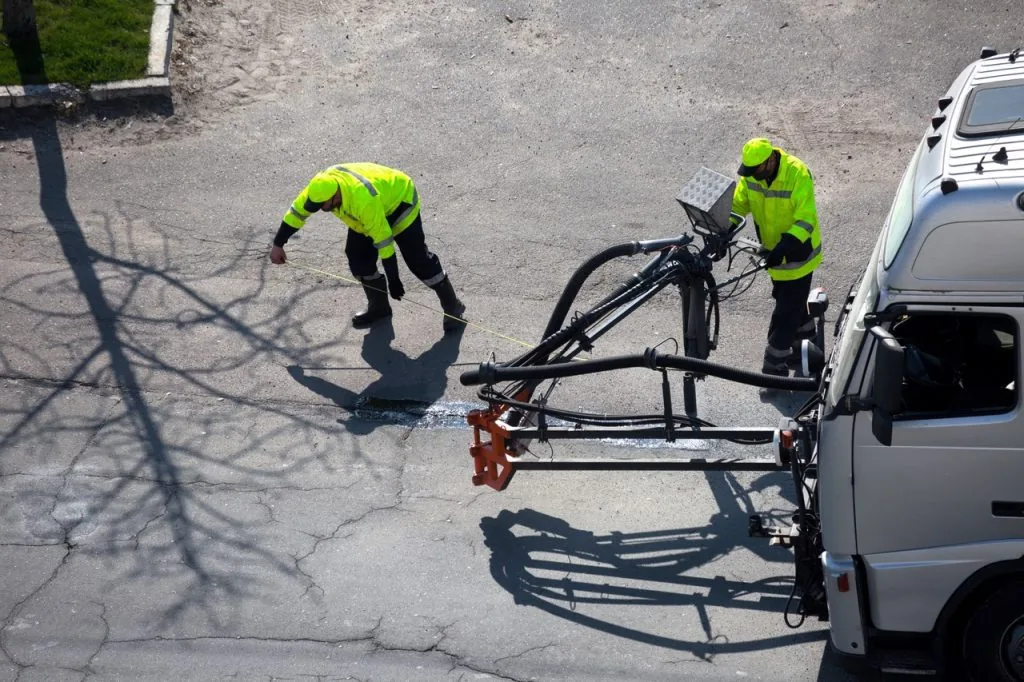
- Crack filling before winter: Cracks allow water to enter the pavement and reach vulnerable areas. Timely crack filling can address suitable cracks before winter weather causes further problems.
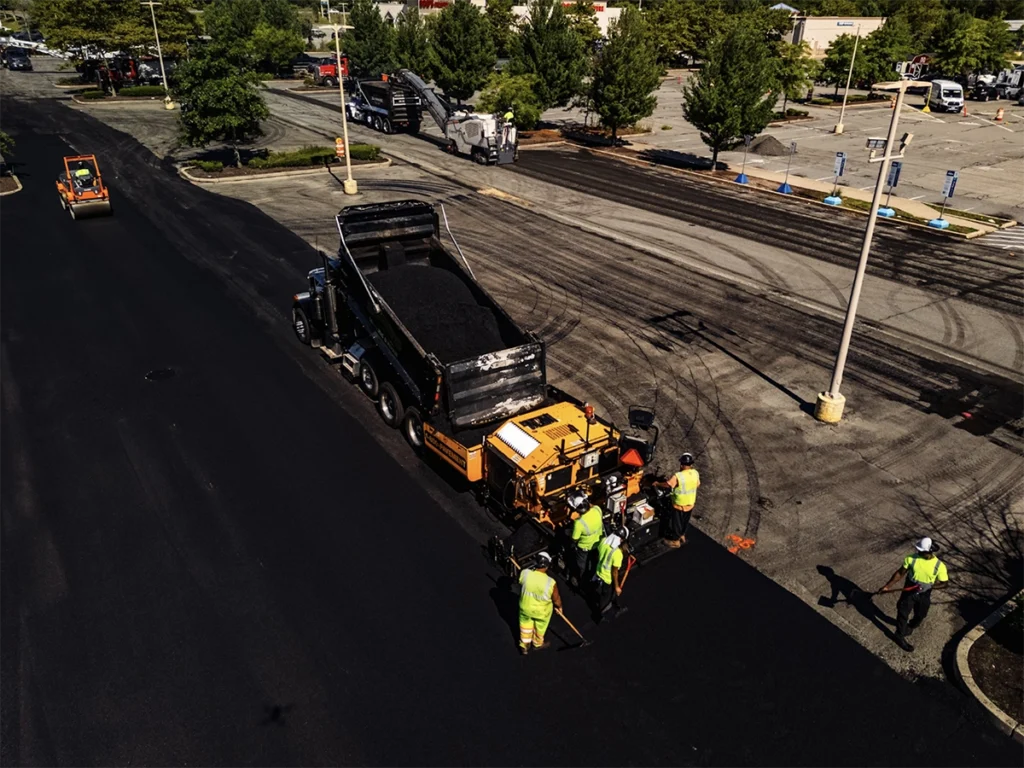
- Knowing when maintenance is not enough: Recurring failures, widespread damage, or subsurface problems may require more than routine maintenance. Asphalt milling and resurfacing may work when the pavement structure remains stable, while deeper failures may require reconstruction.
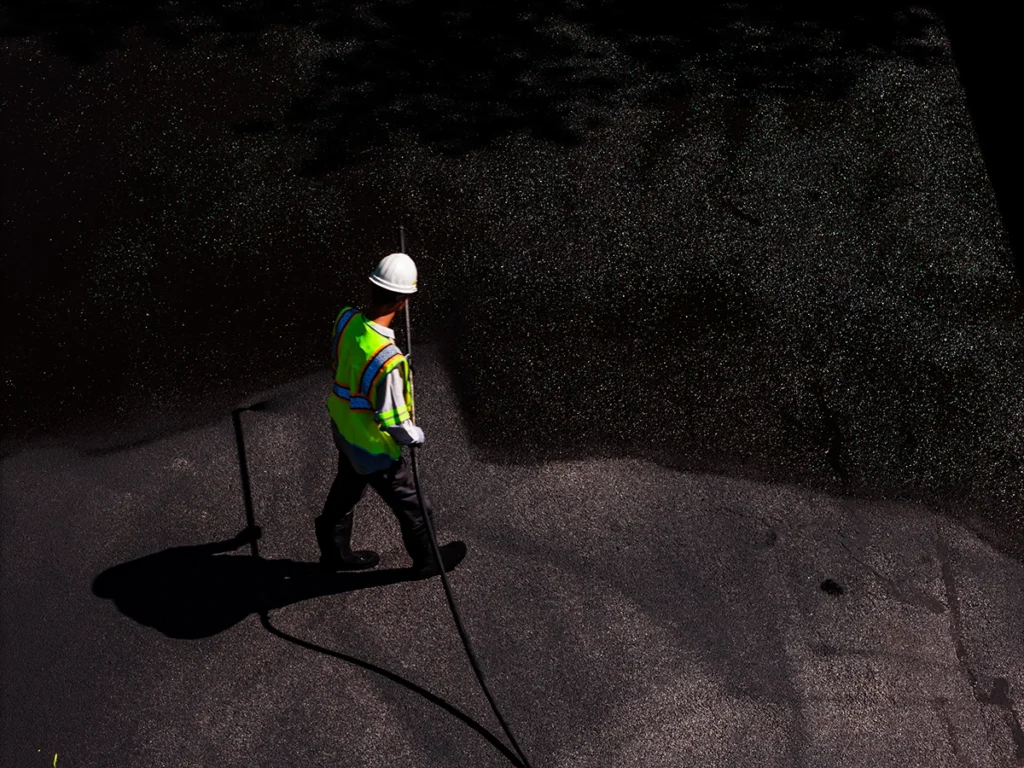
Get a Professional Maintenance Plan for Your Pavement
Not sure how much life your pavement has left? Kansas Asphalt can assess its condition and recommend the right next step based on the damage, traffic, and drainage needs. Our paving experts are here to help you maximize your pavement lifespan and investment. Request a pavement assessment today!
Frequently Asked Questions
How long does asphalt last in Kansas City?
Asphalt lifespan depends on construction quality, drainage, traffic, weather, and maintenance. The pavement’s condition matters more than age alone when deciding whether it needs maintenance, resurfacing, or replacement.
What causes asphalt to crack over time?
Temperature changes, aging, repeated traffic loads, water, and weak support may all cause asphalt to crack. The crack pattern and surrounding pavement conditions often provide clues about the cause.
What is alligator cracking, and how serious is it?
Alligator cracking is a connected pattern of cracks that points to structural pavement failure. Filling these cracks will not fix the underlying problem, so the affected pavement needs a deeper assessment.
How can I extend the lifespan of my asphalt parking lot?
Inspect the pavement regularly, maintain proper drainage, and address suitable cracks and damage before they spread. Use sealcoating when appropriate and make sure high-traffic areas support the vehicles using them.
When should I replace asphalt instead of repairing it?
Replacement may make sense when damage is widespread, repairs keep failing, or the pavement structure no longer supports current traffic. If the structure remains stable, resurfacing is another viable option.