Asphalt pavement is designed to withstand everyday traffic and changing environmental conditions. However, weather plays a significant role in how well pavement performs over time.
From extreme summer heat to freezing winter temperatures, seasonal weather patterns can affect the strength, appearance, and overall lifespan of asphalt surfaces.
Summer Heat
High temperatures can cause asphalt to soften, making it more susceptible to surface damage from heavy vehicles and repeated traffic. In areas with significant heat exposure, pavement may experience rutting, depressions, and surface deformation.
Rain and Moisture
Water is one of the biggest threats to asphalt pavement. When moisture enters cracks or penetrates beneath the surface, it can weaken the underlying pavement structure. Poor drainage and standing water can make these issues even worse.
Freezing Temperatures
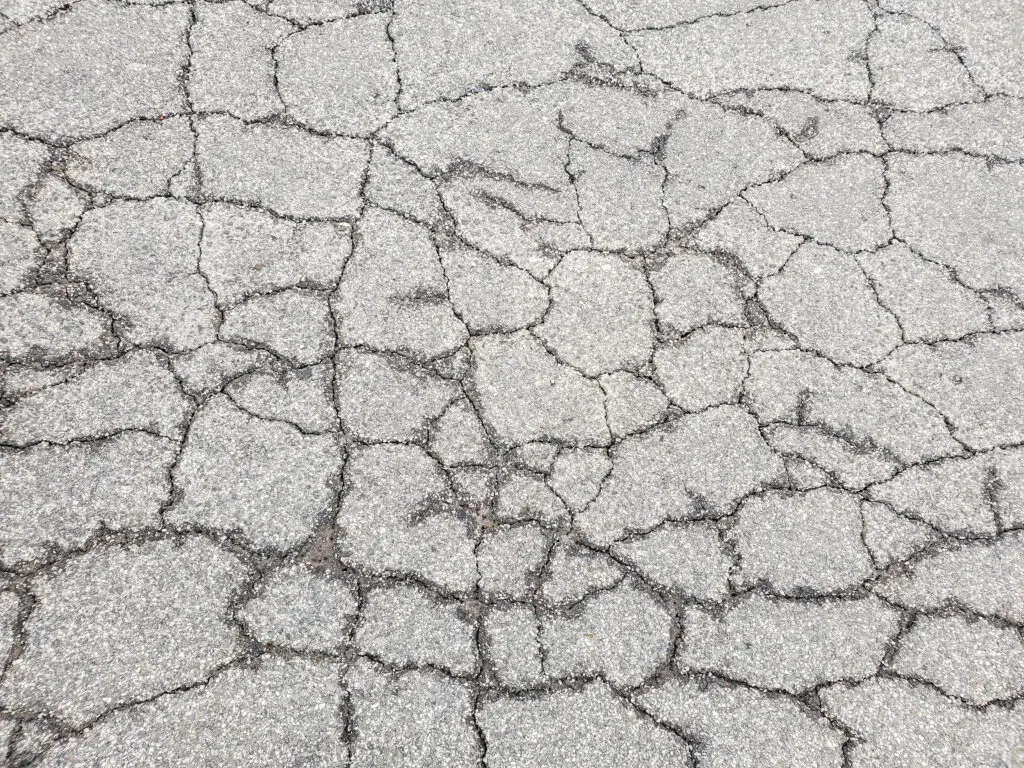
During colder months, water trapped inside pavement cracks can freeze and expand. This process, known as the freeze-thaw cycle, can cause cracks to widen and contribute to pothole formation.
Snow and Ice
Snow and ice create additional challenges for pavement maintenance. Snow removal equipment, deicing products, and increased moisture exposure can all contribute to surface wear and deterioration.
Protecting Your Pavement
While weather conditions are outside of our control, preventative maintenance can help reduce their impact. Routine inspections, crack sealing, pothole repairs, and proper drainage management can all help extend the life of asphalt pavement.
At Kansas Asphalt, we understand that pavement needs to withstand a variety of weather conditions throughout the year. Taking a proactive approach to maintenance can help keep your asphalt surfaces in better condition, season after season.